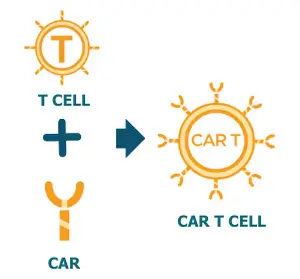
CAR T-cell therapy is a type of cancer immunotherapy that targets and combats cancer by enabling the body's immune system to identify, locate, and destroy cancer cells.
At SJMC, we conduct clinical trials for CAR T-cell therapy that is customised depending on each individual patient. The process starts by collecting T cells-specific white blood cells that can recognise and destroy abnormal cells. These cells are then enhanced by adding a new type of receptor known as a chimeric antigen receptor (CAR). This modification significantly improves your immune system's ability to find and eliminate cancer cells.
As a leading oncology centre in Malaysia, whether you seek for a second opinion or more advanced treatment options, contact us to discuss whether CAR T-cell therapy is suitable for you and learn how we can assist in advancing your care journey.
CAR T-cell therapy can be very helpful in treating some types of cancer, even when other treatments are no longer effective.
Targets relapsed or refractory B cell Acute Lymphoblastic Leukaemia (ALL) in both children and adults.
Targets relapsed or refractory Non-Hodgkin Lymphomas (NHL), including specific types like Diffuse Large B Cell Lymphoma (DLBCL) and High-Grade B Cell Lymphoma.
A cancer of plasma cells - a type of white blood cells made in the bone marrow that play a crucial role in immune defence by creating antibodies.
If CAR T-cell therapy is deemed a suitable option for you by your doctor, the following are the steps you will undergo:
A process that separates & collects specific blood components, such as T cells, from your blood. It is also known as apheresis and typically, it lasts between 2 to 3 hours.
These T cells are then sent to the lab where they are genetically modified to add a chimeric antigen receptor (CAR). These cells are now called CAR T cells.
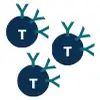
The CAR T cells are grown and multiplied in the lab until there are millions of them.
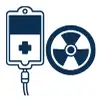
Before reinfusing the CAR T cells, you may undergo chemotherapy to prepare your body for the treatment, creating a more receptive environment for the modified T cells.
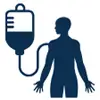
The multiplied CAR T cells will then be infused back to your bloodstream. This usually takes about 1 hour.

After the CAR T-cell therapy infusion, you will be monitored closely by our healthcare team for possible side effects and response to the therapy, this could necessitate an extended stay in the hospital and subsequent follow-up appointments, with the frequency will be decided by the healthcare team.
While this powerful approach targets cancer cells, it's important to note that it may also affect healthy cells, leading to some side effects as listed below.
These side effects necessitate close monitoring and supportive care to manage and mitigate potential risks associated with CAR T-cell therapy.


24 Hours Careline: +603 56391212
KKLIU 0399 / EXP 31.12.2025
© 2026 Subang Jaya Medical Centre - All Rights Reserved